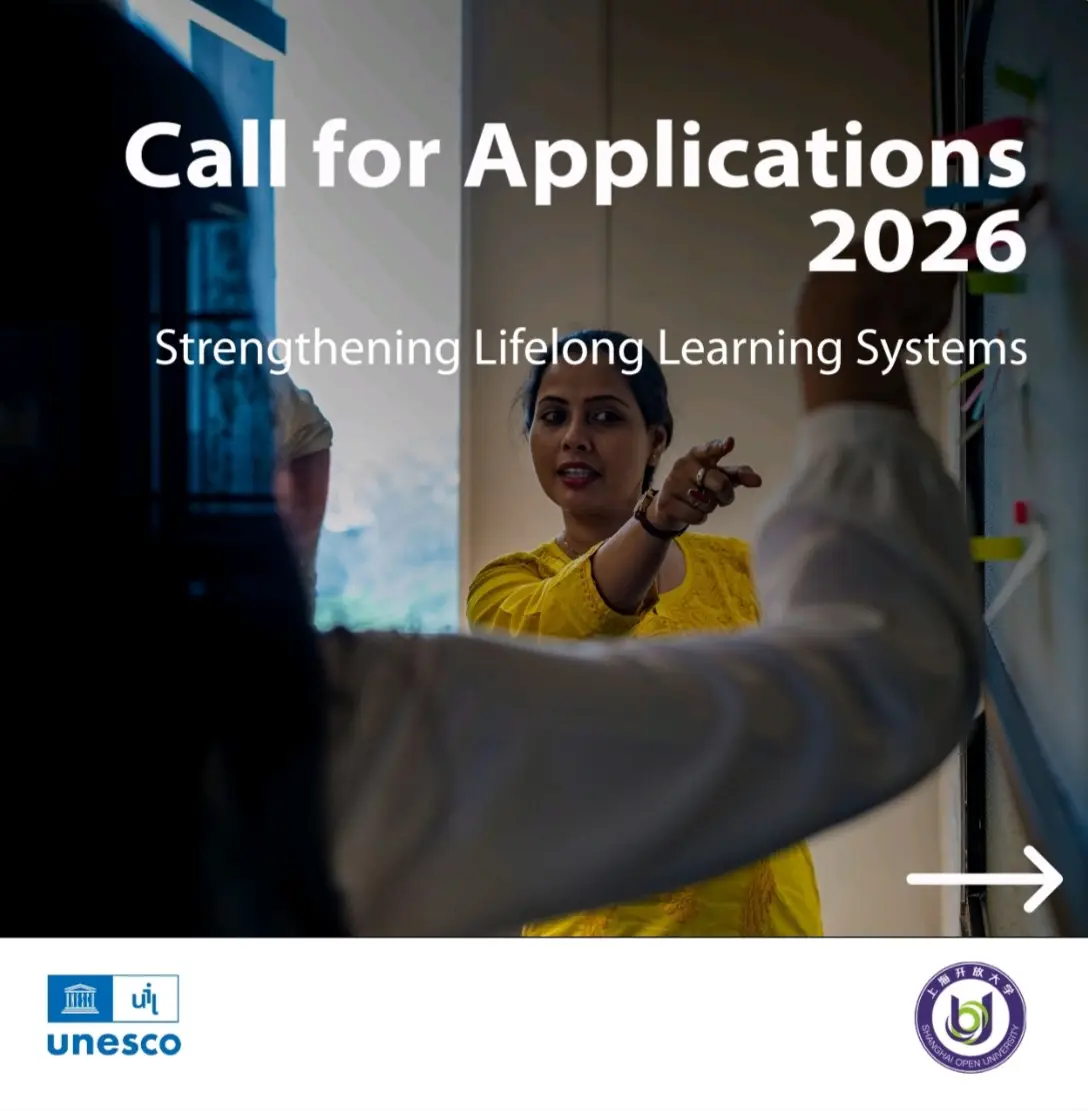
The UNESCO Institute for Lifelong Learning (UIL), in collaboration with Shanghai Open University, has announced a new international programme aimed at strengthening lifelong learning systems worldwide. This programme forms part of UNESCO’s broader commitment to supporting governments in developing inclusive, flexible and sustainable learning systems that provide education opportunities throughout a person’s life. By encouraging cooperation across multiple sectors and levels of governance, the initiative aims to create stronger learning ecosystems capable of responding to the social, economic and technological challenges of the 21st century.
Introduction
The UNESCO Institute for Lifelong Learning (UIL) has officially announced a global call for applications for its 2026 programme titled “Strengthening Lifelong Learning Systems through Multi-Level and Multi-Sectoral Engagement.” This initiative is implemented in partnership with Shanghai Open University (SOU) and is designed to support countries in building stronger and more integrated lifelong learning systems.
The programme represents the first phase of a three-year international initiative aimed at strengthening national education systems by integrating lifelong learning into governance, policy frameworks, and institutional coordination across sectors. Participating countries will receive technical support, policy guidance, and international collaboration opportunities to advance their lifelong learning strategies and improve education systems at national and local levels.
This opportunity is particularly important in the context of global education reforms aligned with Sustainable Development Goal 4 (SDG 4), which calls for inclusive, equitable quality education and lifelong learning opportunities for all.
Overview of the UNESCO Lifelong Learning Systems Programme
The Strengthening Lifelong Learning Systems through Multi-Level and Multi-Sectoral Engagement programme focuses on helping countries design, implement, and strengthen policies that support learning throughout life.
The programme recognizes that education systems must go beyond traditional schooling to address the needs of adults, workers, communities, and lifelong learners. By fostering collaboration across governments, institutions, and sectors, the initiative aims to create coherent learning ecosystems that support individuals throughout their lives.
Countries selected for the 2026 cohort will participate in a structured policy development and capacity-building process supported by global experts in education governance, lifelong learning, and policy implementation.
Objectives of the Programme
The programme seeks to help participating countries achieve several strategic objectives related to lifelong learning systems.
1. Strengthening Governance and Policy Coordination
One of the main objectives of the programme is to improve the governance structures that oversee lifelong learning policies. Many countries have fragmented education policies that separate adult education, vocational training, and formal schooling. The programme helps governments integrate these components into a coherent lifelong learning system.
2. Improving Alignment Between National and Local Policies
Countries often face challenges in translating national education policies into effective local implementation. Through this programme, countries will work to ensure that national strategies align with implementation at regional and city levels, including learning cities and local education ecosystems.
3. Developing Policy Instruments for Lifelong Learning
Another major objective is to help governments develop or refine policy tools such as:
-
National lifelong learning strategies
-
Action plans for adult education
-
Education reform roadmaps
-
Skills development frameworks
These policy instruments help countries create sustainable structures for learning across all stages of life.
4. Building National Capacity
Participating countries will receive support to build national capacity for managing lifelong learning as a cross-sectoral policy area involving education, labor markets, community institutions, and civil society.
Benefits of the Programme
Countries selected for this initiative will gain access to a wide range of benefits designed to support policy reform and knowledge exchange.
1. Tailored Technical Assistance
Participating countries will receive direct technical support from experts affiliated with the UNESCO Institute for Lifelong Learning and partner institutions. This assistance will help countries identify policy gaps and implement effective reforms.
2. Online Learning Modules and Webinars
Participants will take part in curated online training modules and international webinars focusing on:
-
Lifelong learning systems
-
Education governance
-
policy implementation
-
cross-sector collaboration
-
capacity building
These sessions allow national stakeholders to develop new expertise in designing lifelong learning frameworks.
3. National Lifelong Learning System Profile
Each participating country will conduct a contextual analysis of its current lifelong learning ecosystem. The analysis will lead to the creation of a national profile describing:
-
policy frameworks
-
institutional arrangements
-
education infrastructure
-
governance structures
-
future reform priorities
4. Participation in the GNLC Academy Campus
Countries may also participate in activities connected to the Global Network of Learning Cities (GNLC). This engagement allows policymakers to collaborate with cities and governments worldwide that are actively developing lifelong learning ecosystems.
5. Policy Dialogue Events
Selected countries will receive support to organize a national or sub-regional policy dialogue event during 2026. These dialogues bring together stakeholders such as:
-
government ministries
-
researchers
-
education institutions
-
civil society organizations
-
development partners
The discussions help translate programme outcomes into concrete policy changes.
6. Follow-Up Support
After policy dialogue events, UNESCO experts will provide follow-up assistance to help integrate the results into national policies and reforms.
Category of Applicants Eligible for the Programme
Unlike individual scholarships or fellowships, this programme is designed for national government institutions.
Eligible Applicants
Applications must be submitted by:
-
National ministries responsible for lifelong learning
-
Ministries of education or equivalent government bodies
-
National agencies responsible for adult education or education policy
Applications must be coordinated with relevant national stakeholders, including local governments and education institutions.
Countries Eligible to Apply
The programme is open to UNESCO Member States worldwide.
This means that countries from all regions and continents may apply, including:
-
Africa
-
Asia
-
Europe
-
North America
-
South America
-
Oceania
-
Middle East
The programme seeks to include a small and diverse cohort of countries to ensure meaningful collaboration and peer learning.
Key Requirements for Participating Countries
Countries selected for the programme must demonstrate strong institutional commitment.
1. Official Government Engagement
Applications must be submitted by a national ministry or relevant government authority responsible for lifelong learning policy.
2. National Leadership Team
Each participating country must designate a national leadership team that will coordinate programme activities.
3. Stakeholder Coalition
Countries must involve stakeholders from different sectors, including:
• education authorities
• local governments
• civil society organizations
• learning cities
• research institutions
4. Resource Mobilization
Participating countries must mobilize the necessary human and financial resources required to implement programme activities.
5. Policy Dialogue Organization
Each country must organize at least one national or sub-regional policy dialogue event during the programme.
6. Policy Integration
Countries are expected to integrate programme results into public policies and national education strategies.